Building a Foundation for the Future: How to Launch and Scale a Monthly Giving Program

Here’s the hard truth: donor retention rates across the nonprofit sector have dropped to around 43%. That means more than half of the people who give to you this year won’t give again next year.
And here’s what makes it worse: acquiring a new donor costs significantly more than keeping an existing one. We’re all working with tight budgets and small teams. We can’t afford to keep losing donors.
For Habitat affiliates, monthly giving offers predictable revenue and a chance to shift your donor communications to building relationships, not asking for money constantly. Just as a mortgage revolves to help build more homes, monthly gifts provide the patient capital you need to buy land and clear permits long before volunteers show up with hammers.
Compare that to the ups and downs of gala revenue or one-time appeals. Monthly donors stick around at rates over 80% and give more than five times as much over their lifetime compared to one-time donors.
Moving donors from one-time transactions to an ongoing partnership takes intention. Here are six strategic pillars that can help you build a monthly giving program that actually works.
Download Our Monthly Giving Program Design Toolkit
Ready to get started building your monthly donor campaign? Use our completely customizable Canva design templates to build social, email, website and print materials that get your Hope Builders program off the ground.
Create a Program Identity with Naming and Tiers
A monthly giving program can’t just be a payment option buried on your donation page. It needs to feel like something people want to be part of—a community, not a transaction.
When you give your program a distinct name, you’re doing more than branding. You’re transforming someone from a “contributor” into a stakeholder. They’re not just giving money—they’re joining something.

Examples from the Habitat Community
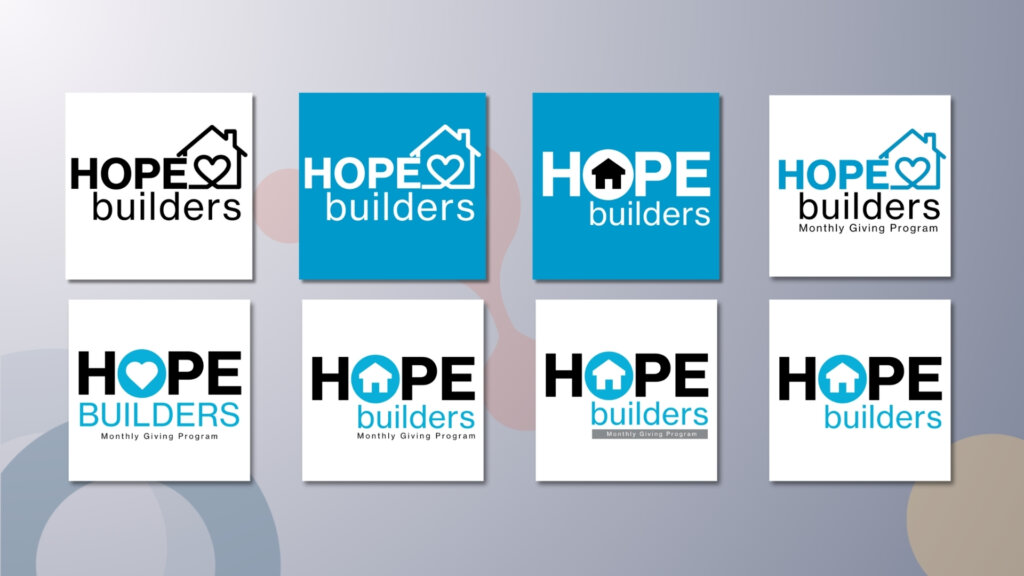
Austin Habitat calls their monthly donors “HopeBuilders.” Metro Maryland uses “Foundation Club.” Both names connect to the construction work while elevating the donor’s role in making it possible.
But don’t stop at naming the program. Create tiers that give people something to aspire to:
- $10/month: “Groundbreakers” (laying the foundation)
- $25/month: “Framers” (building the structure)
- $50+/month: “Dream Builders” (making homeownership real)
When someone can say “I’m a Framer with our local Habitat,” that means something. It creates identity and pride.
Build “Impact Maps” That Show Tangible Results
People give more confidently when they can picture exactly what their gift accomplishes. Think of it like a hardware store menu—specific items, specific prices, specific outcomes.
Create a Clear Connection Between Dollars and Impact
Here’s what this might look like:
- $10/month: Provides safety features like grab bars that help aging homeowners stay in their homes longer
- $20/month: Purchases roof trusses—literally helping to “raise the roof” on a family’s home
- $50/month: Funds financial education classes that prepare families for successful homeownership
These tangible examples help donors see themselves as part of the building process, even if they never pick up a hammer.

Tell Stories That Honor Dignity
When you’re describing impact, the way you talk about partner families matters enormously.
Use partnership language. Donors aren’t “saving” families. They’re partnering with hardworking families who are building strength, stability, and a better future through their own effort and sweat equity.
Highlight agency and opportunities, not deficits. Focus on what families are accomplishing, the hard work they’re putting in, and the dreams they’re building toward. This isn’t about rescue—it’s about partnership.
Set Up Your Tech to Do the Heavy Lifting
You’re already stretched thin managing programs, coordinating volunteers, and keeping everything running. Your donation system and database should handle the routine work so you can focus on actual relationships.
Capture Employer Matching Funds
Here’s money that too many monthly giving programs leave on the table: employer matching gifts.
Many companies will match their employees’ charitable donations, including monthly recurring gifts. A $25 monthly donation can easily become $50 or even $75 without the donor paying an extra dollar.
The strategy is simple: add a matching gift search tool (like Double the Donation) directly on your donation form. Ask explicitly: “Does your employer match monthly gifts?”
Make it easy for donors to find out, and you’ll capture funds that would otherwise go unclaimed.
Prevent Losing Donors to Expired Credit Cards
Credit cards expire. It’s that simple. And when they do, monthly gifts stop. Not because the donor wants to cancel, but because their card information is outdated.
This is called involuntary churn, and it’s one of the biggest threats to monthly giving programs.
The solution: set up automatic emails through your donation platform (Bloomerang, Stripe, Neon One, whatever you use) that alert donors when a card fails or is about to expire. Most systems can handle this automatically.
This one step saves hours of manual follow-up and prevents you from losing donors who actually want to keep giving.
Turn First-Time Donors Into Monthly Partners with a 30-Day Welcome Series

Here’s what most affiliates miss: the first 30-45 days after someone makes their first gift is your best window to invite them to become a monthly donor.
Think about it. Someone who just gave is demonstrating they care right now. Their heart is already engaged. Wait too long—60 days, 90 days—and you’re competing with everything else in their life, other organizations asking for money, and the fading memory of why they gave in the first place.
Why First-Time Donors Are Your Monthly Giving Prospects
First-time donor retention is typically only 19%. That means if you do nothing, most people who give once will never give again.
But a strong donor welcome series that builds toward a monthly giving invitation can change that math entirely. You’re not just trying to get a second gift—you’re creating long-term partners who provide predictable revenue year after year.
The 30-Day Sequence
Before you ask someone to become a monthly donor, they need to understand your mission, see their impact, and feel connected to your work. Here’s how to make that happen:
Day 0: The Thank You
Send an automated receipt immediately, along with a heartfelt video from your Executive Director filmed on a build site. Make it personal. Thank them for their first gift and briefly share what it makes possible.
Day 7: Mission Education
Explain the partnership philosophy that drives Habitat’s work. Introduce a partner family, but focus on their hard work, their agency, and what they’re building—not their struggles or deficits.
Day 21: Local Impact Update
Share a “News from the Build Site” update. Show house framing as it is going up. Share photos of local progress. Connect their gift to what’s actually happening in your local community. Make it real.
Day 30-35: The Monthly Giving Invitation
Now that they understand your mission and have seen the impact, invite them to become a monthly donor.
Use language like this: “Your first gift helped provide roof trusses for a family’s home. Would you consider making that impact happen every month? Even $10/month provides safety features like grab bars that help families age in place safely.”
Why This Timing Works
By day 30, they’ve had multiple positive touchpoints with your organization while their initial excitement is still fresh. The monthly giving ask doesn’t feel abrupt or pushy—it feels like a natural next step for someone who’s already shown they care.
And here’s the payoff: donors who say yes to monthly giving in this window often stick around for years, giving you predictable revenue and deeper community investment.
Keep Monthly Donors Engaged with Exclusive Content and Access
Too many organizations treat monthly donors like they’re on autopilot. They set up the recurring gift and then… nothing. Just an annual tax receipt.
That’s a mistake. Monthly donors need touchpoints that remind them why they’re giving and what their ongoing support makes possible.
Create an “Insider” Newsletter
Send a short monthly email exclusively to your monthly donors. Call it something like “The Foundation Club Insider” or “[Your Program Name] Update.”
Keep it brief—three paragraphs, maybe a photo or two. Share behind-the-scenes content they won’t see on social media. Construction progress photos. A note from a partner family. An update on land acquisition or permits coming through.
Here’s why this matters: 43% of people who cancel monthly gifts do so within days of receiving a dry, transactional receipt that just says “your payment was processed.”
Replace that transactional email with impact-rich content, and you’ll keep people connected to why they started giving in the first place.Offer a “Pause” Option Instead of Cancellation
Life happens. People face financial hardship, unexpected expenses, job changes.
Instead of making cancellation their only option, give monthly donors a way to pause or reduce their gift. Let someone drop from $50/month to $10/month instead of canceling entirely.
Make this easy through a self-service option on your website. You’ll retain donors who might otherwise disappear completely.
Framing the Future
Building a successful monthly giving program isn’t about having the perfect system from day one. It’s about creating a strong identity, telling ethical stories, using smart technology (including capturing matching gifts), and treating monthly donors like the insiders they are.
The goal isn’t just recurring transactions. It’s creating a community of believers who provide the financial stability that families need to build strength, stability, and self-reliance through affordable homeownership.
Start Small
You don’t need to launch everything at once. Pick a name for your program. Define what a $20 monthly gift accomplishes. Write three emails for your welcome series.
Then launch it to your board and existing volunteers first. Learn what resonates. Adjust. Expand from there.
Every monthly donor you add is one more family you can serve with confidence, knowing the funding will be there when you need it.